The problem
The agency builds experiential marketing programs where the value is in knowing the room: who showed up, what moved them, and which segment to activate next. That intelligence existed, but it lived in exports (registration systems, badge scans, CRM records, post-event surveys) that nobody had time to stitch together while a program was still live.
By the time an analyst had assembled a coherent picture of an audience, the moment to act on it had usually passed.
The approach
Discovery mapped the data sources and, more importantly, the decisions the team actually made under time pressure. We were not building a research tool. We were building something an account lead could consult between sessions.
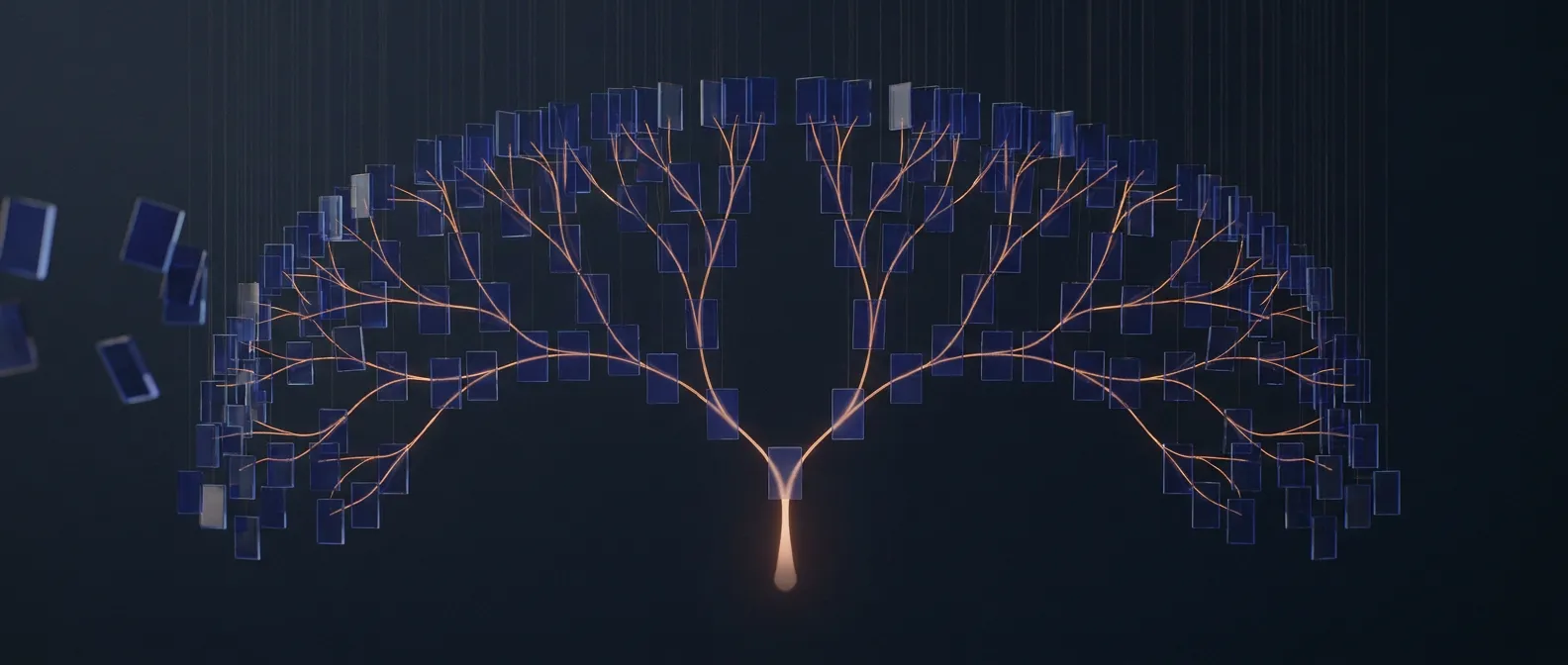
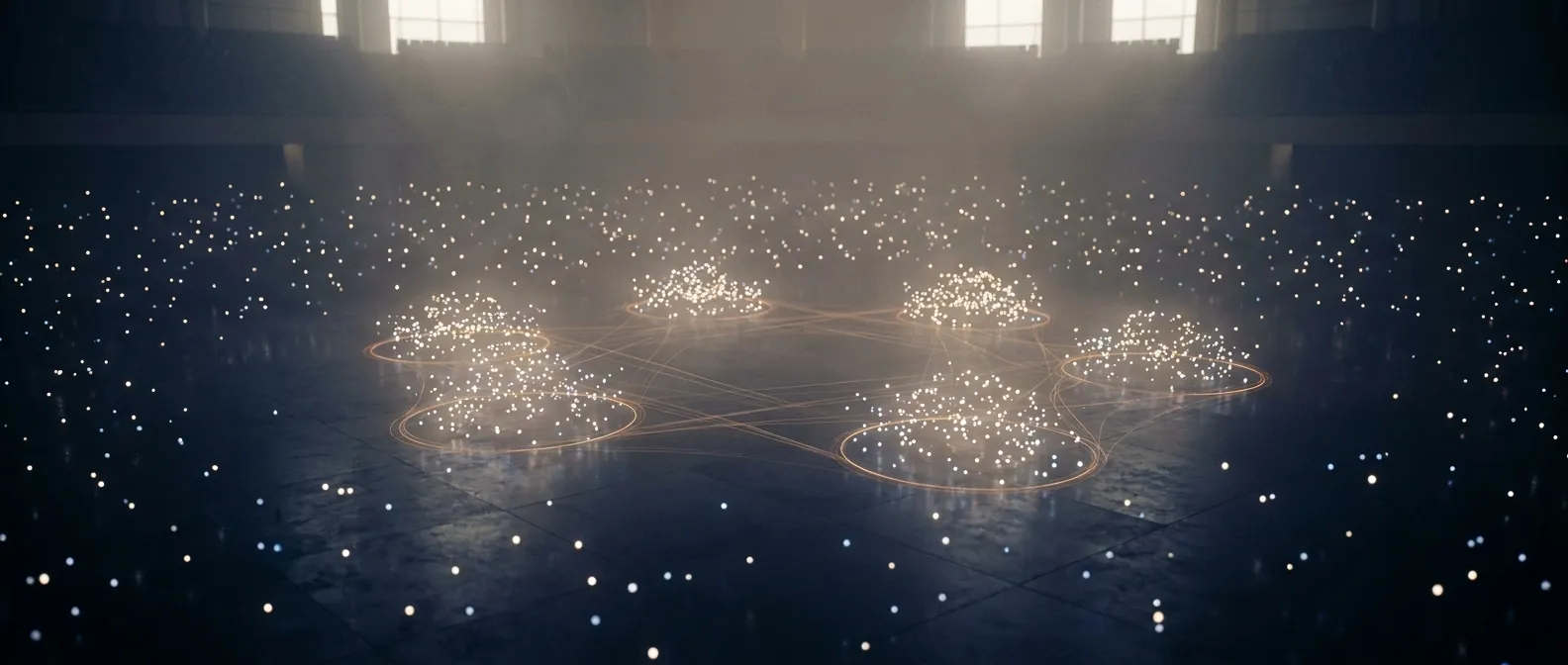
In the build phases, we connected the event and CRM feeds into a single feature store, then added a model layer that grouped attendees into psychographic segments based on behavior rather than guesswork. The segmentation was tuned against real programs, with the agency’s team in the loop correcting the model where its groupings did not match what they knew from the floor. We wrapped it in a dashboard designed for speed: pick a program, see the segments, export an activation list.
We deliberately kept the interface narrow. The team did not need every possible cut of the data. They needed the three or four segments that changed what they did next.
The outcome
What used to take an analyst a week of manual assembly now takes hours, and it happens while the program is still running. The agency’s team activates segments mid-event rather than writing them up afterward, which is the difference between intelligence and a report.
The engine is maintained under an ongoing engagement, with new data sources folded in as the agency adds them to its programs.